Products

Our ecosystem of advanced medication management solutions.

Who We Serve

DosePacker transforms a variety of care communities, creating safer care.


What We Offer

Our solutions maximize the caregiving potential with innovative technology.

Our Services

We help you streamline medical processes to enable your potential.

The Business Case For CE-Owned Pharmacies In Clinics

CE-owned pharmacies are becoming essential for covered entities navigating today's challenging pharmaceutical landscape, offering better control over medication access and maximizing program benefits for vulnerable patients.

  • November 28, 2025

Maria walks into her local federally qualified health center (FQHC) for a routine checkup. Her doctor prescribes three medications for her diabetes and high blood pressure. Instead of driving across town to a chain pharmacy and waiting in line for an hour, she walks down the hall. Ten minutes later, she’s sitting with a pharmacist who knows her medical history and explains precisely how to take her medications. No extra trip. No confusion. No gaps in care.

This is the promise of a CE-owned pharmacy, and it’s becoming less of a luxury and more of a necessity for covered entities across the country. However, not all clinics and FQHCs have the infrastructure or staff to set up a CE-owned pharmacy. Therefore, we offer expert CE-owned pharmacy implementation services.

Clinics and FQHCs can utilize this in-depth analysis of CE-owned pharmacies to make informed decisions. Let’s dive right into it.

What Makes A CE-Owned Pharmacy Different?

A CE-owned pharmacy is owned and operated directly by a covered entity, such as a federally qualified health center, a disproportionate share hospital, or another qualifying healthcare organization.

Unlike contract pharmacies that partner with multiple entities or retail chains focused on volume, CE-owned pharmacies exist for one purpose: serving the covered entity’s specific patient population.

Here’s where it gets important. These pharmacies participate in the 340B Drug Pricing Program, which allows eligible healthcare organizations to purchase outpatient drugs at significantly reduced prices.

According to program data, covered entities typically save between 25 and 50 percent on pharmaceutical purchases. Those savings translate directly into expanded services, more patients served, and better access to care for vulnerable communities.

The key difference? With a CE-owned pharmacy, the health center controls every aspect of the pharmacy operation. No middleman. No competing priorities. Just focused care for the patients who need it the most.

The Pharmaceutical Landscape Has Changed

If you’re a covered-entity administrator, you’ve probably noticed the ground shifting beneath your feet. The pharmacy world isn’t what it used to be.

Manufacturer Restrictions

First, there’s the manufacturer restriction problem. Drug manufacturers have started limiting which pharmacies can receive 340B discounts, and they’re being selective about who gets them.

If your covered entity relies on contract pharmacy relationships with multiple locations, there’s a real chance you’re missing out on savings you’re entitled to. CE-owned pharmacies sidestep this issue entirely; they’re your pharmacy, operating under your entity’s eligibility.

Lesser Independent Pharmacies

Second, independent pharmacies are disappearing at an alarming rate. According to the National Community Pharmacists Association’s 2024 Digest, more than one independent pharmacy closes every single day.

The numbers tell a stark story: independent community pharmacies dropped from 19,432 in 2023 to 18,984 by June 2024. These pharmacies account for 35 percent of all retail locations and are often the only option in rural or underserved urban areas.

Research published in Health Affairs found that nearly 30 percent of retail pharmacies operating during 2010-2020 had closed by 2021, with higher closure rates in predominantly Black and Latinx neighborhoods. When your community loses its pharmacy, your patients lose access to medications and clinical guidance.

That’s the landscape. And that’s why CE-owned pharmacies have moved from “nice to have” to “essential strategy.”

The Real Benefits Go Beyond Cost Savings

Yes, CE-owned pharmacies help you maximize 340B savings. But the advantages run much deeper.

Increase Medication Adherence

Your patients actually take their medications. Medication adherence has always been a challenge in healthcare. But when a pharmacy is steps away from the exam room, when the pharmacist knows your patient’s history and their barriers to care, adherence improves. No extra trip across town means fewer excuses. Easy access means better outcomes.

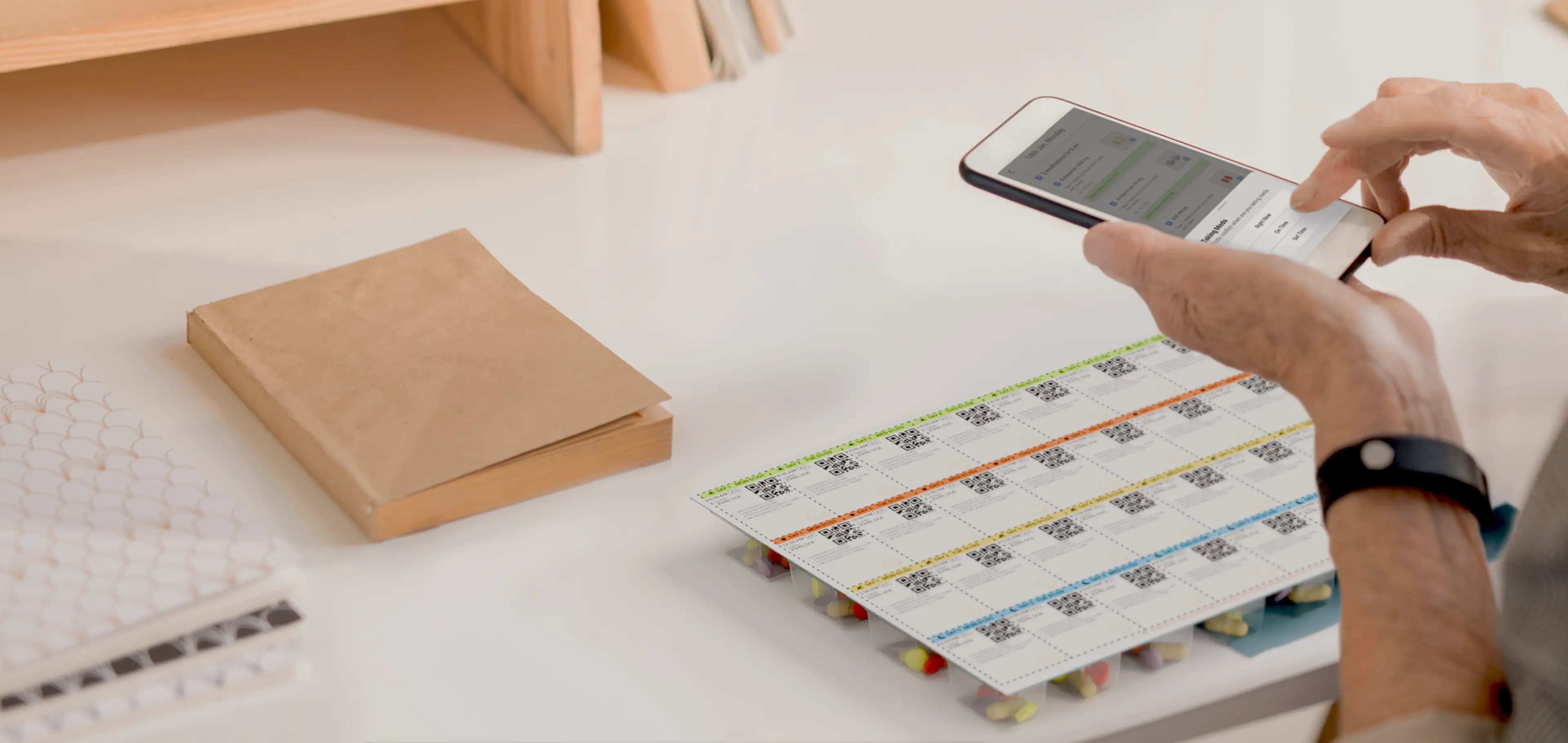
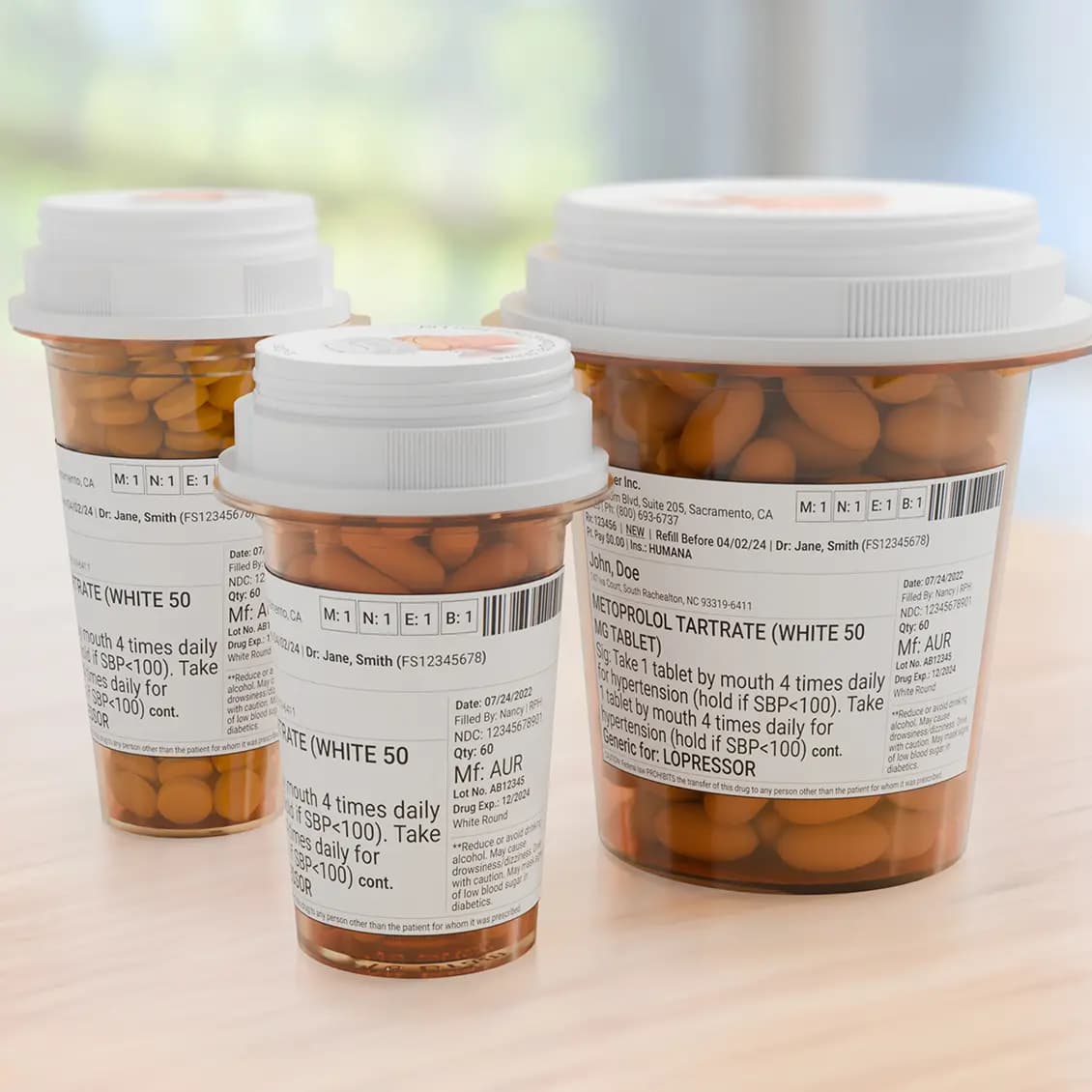
Managing complex medication regimens for chronic conditions requires more than just dispensing pills. This is where integrated solutions matter. Tools like medication synchronization and DosePack compliance packaging help CE-owned pharmacies ensure patients stay on track, particularly for those managing multiple chronic diseases.

When you can align all of a patient’s refills to the same day and package them in easy-to-follow formats, you’re not just filling prescriptions, you’re actively supporting treatment success.

Effective Clinical Integration

Your providers and pharmacists work under the same roof, serving the same mission. When a doctor adjusts a medication, the pharmacist knows immediately. When a patient has questions about side effects, they’re talking to someone who understands their complete health picture. Compare that to calling a 1-800 number at a chain pharmacy where you’re routed to whoever’s available.

Research from Consumer Reports found that over 50% of patients at independent pharmacies report that their pharmacist knows them by name, compared to only 14% at chain pharmacies. CE-owned pharmacies take this personal touch even further because they’re specifically designed around your patient population’s needs.

Better Workflow

Your operations become more efficient. Setting up a CE-owned pharmacy means you don’t have to coordinate with multiple vendors. You control inventory based on your actual patient needs, not corporate algorithms. You can offer specialized services such as compounding, immunizations, and medication therapy management, tailored to your community’s health challenges. And here’s a bonus: patients appreciate the convenience, which often increases traffic to your other health center services.

How To Overcome The Implementation Barrier?

While this has its set of advantages, building a CE-owned pharmacy from scratch isn’t simple. You need:

  • 340B registration and ongoing compliance monitoring
  • State board of pharmacy licensing
  • National Provider Identifier (NPI), National Association of Boards of Pharmacy (NABP) accreditation, and DEA registration
  • Medicaid provider enrollment
  • Credentialing with pharmacy benefit manager networks
  • Wholesaler agreements
  • A complete IT infrastructure with pharmacy management systems

It’s a lot. The paperwork alone can feel overwhelming, and that’s before you start thinking about hiring pharmacists, designing workflows, or managing inventory.

But here’s what’s changed: you don’t have to figure it all out alone. Many covered entities now partner with organizations like DosePacker that specialize in CE-owned pharmacy implementation. They handle the regulatory maze, the credentialing process, the technology setup, essentially the heavy lifting that would otherwise pull your team away from patient care.

Think of it like medication packaging systems that streamline daily pharmacy operations. Having the right partners for setup means you can focus on what you do best: serving your community.

What This Means For Your Patients

At the end of the day, CE-owned pharmacies matter because of the people they serve.

For the uninsured patient, it means accessing medications at prices they can actually afford. For the elderly patient managing eight different prescriptions, it means sitting down with a pharmacist who has time to explain everything clearly. For the working parent, it means picking up medications during the same visit where their child sees the doctor, no second trip, no childcare scramble.

CE-owned pharmacies also enable health centers to expand services that directly improve community health. Immunizations. Health screenings. Chronic disease management programs. Medication therapy management for complex cases. These aren’t extras, they’re the foundation of population health.

And in communities facing pharmacy deserts, CE-owned pharmacies fill a critical access gap. As Pharmacy Times notes, the best pharmacies prioritize building genuine relationships with their community and seeing people as individuals, not as transactions. CE-owned pharmacies embody this philosophy while operating within the covered entity’s mission-driven framework.

Looking Forward

The pharmaceutical landscape will continue evolving, and probably not in ways that make things easier for covered entities. Manufacturer restrictions may expand. Pharmacy deserts may grow. Drug costs will likely keep rising.

CE-owned pharmacies give health centers a measure of control in an increasingly unpredictable environment. They protect 340B savings. They ensure vulnerable populations have access for medication. They integrate clinical care in ways that genuinely improve outcomes.

If you’re a health center leader evaluating your pharmacy strategy, the question isn’t whether CE-owned pharmacies offer benefits; the evidence is clear that they do. The question is whether this model aligns with your organization’s capacity, your patient population’s needs, and your long-term strategic vision.

In an era where pharmacies are closing and access is shrinking, CE-owned pharmacies represent something important: a return to community-centered care where the patient, not the profit margin, comes first.

Unlock the latest in medication management technology and grow your care community with us.